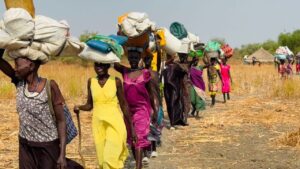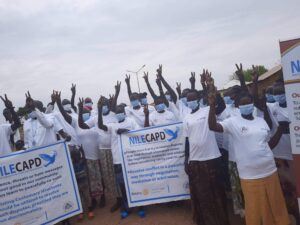
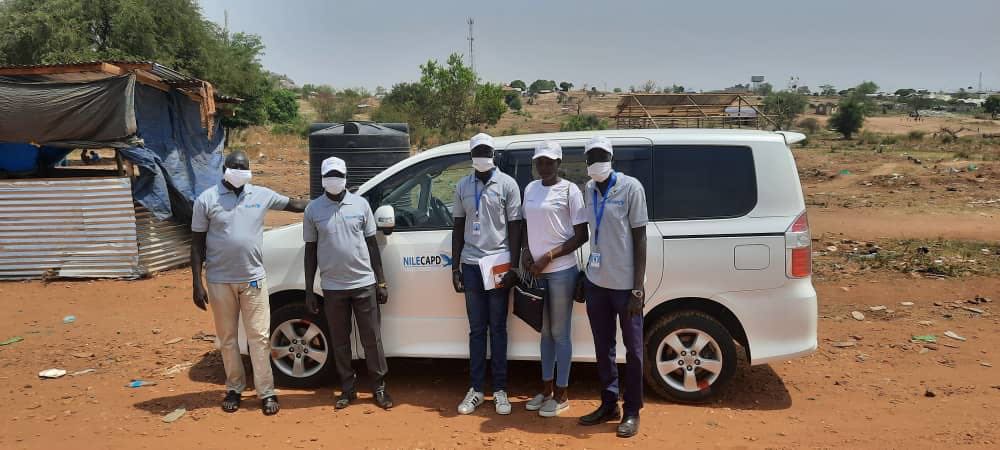
Food banks are a critical lifeline for families facing hunger, both in our local Alberta neighborhoods and in displaced communities across South Sudan. While every act of generosity is appreciated, the type of donation matters deeply. At NILECAPD, we advocate for “dignity-based giving”—choosing high-quality, nutritious, and culturally relevant items that truly empower a family to thrive.
What to Donate: High-Impact Essentials
When selecting items, prioritize non-perishable goods that are nutrient-dense, easy to prepare, and versatile for different types of cooking.
1. Protein-Rich Canned Goods
Proteins are essential for health and energy. Focus on:
- Canned beans, lentils, and chickpeas.
- Canned fish (tuna, sardines, mackerel) or canned meats.
- Nut butters (peanut or almond butter).
2. Versatile Dry Grains & Staples
These form the base of most meals across cultures:
- Rice, pasta, and couscous.
- Flour, maize meal, or sorghum.
- Dried legumes (split peas, lentils, or kidney beans).
3. Cooking & Flavor Essentials
Families often receive grains but lack the means to cook them. These are highly prized:
- Healthy cooking oils (vegetable, sunflower, or olive oil).
- Salt, sugar, and shelf-stable spices (cumin, turmeric, chili powder).
- Tea bags and instant coffee.
4. Breakfast & Long-Life Dairy
Start a child’s day right with:
- Oats, low-sugar cereals, or porridge mixes.
- Shelf-stable (UHT) milk or powdered milk.
- Fruit preserves or honey.
5. Hygiene & Household Basics (Often Overlooked)
Food banks are often the only source for these “non-food” essentials:
- Soap, toothpaste, and toothbrushes.
- Menstrual products (pads and tampons).
- Diapers and baby wipes.
- Laundry detergent and dish soap.
What to Avoid: Items That Cannot Be Distributed
To ensure safety and efficiency, please refrain from donating the following:
1. Expired or Damaged Goods
If it is past its “Best Before” date or the can is heavily dented, rusted, or bulging, it cannot be safely distributed.
2. Perishable or Fresh Items (Without Prior Approval)
Unless the food bank specifically requests fresh produce or meat and has industrial refrigeration, these items often spoil before they can reach a family.
3. Homemade or Unlabeled Foods
For safety, hygiene, and allergy reasons, food banks cannot accept home-cooked meals, home-canned preserves, or baked goods. All items must be in their original, sealed commercial packaging.
4. Glass Containers
Whenever possible, choose plastic jars or cans. Glass can easily break during transit, creating a safety hazard and potentially ruining an entire crate of food.
5. Alcohol or Restricted Substances
Beer, wine, spirits, and tobacco products are never appropriate for food bank distribution.
Final Thoughts
When you shop for a food bank, think: “Would I be happy to serve this to my own family?” By choosing nutritious, practical, and long-lasting items, you aren’t just providing a meal—you are providing health, stability, and hope. At NILECAPD, we thank you for giving thoughtfully.